How to Get Glass Skin in 3 Days: The 72-Hour Routine
To get glass skin in 3 days, you must execute a targeted 72-hour routine focused on deep double cleansing, a single controlled chemical exfoliation, and an intensive hydration strategy using techniques like the 7-skin method. This accelerated protocol is designed to address dull, dehydrated skin with visible pores, which can prevent smooth makeup application for important events. The core mechanism involves creating a super-hydrated, smooth skin surface that reflects light uniformly, but its success depends on specific active ingredients and exactly three days of dedicated sessions. Crucially, this routine is an emergency measure; you must protect your skin barrier and stop immediately if severe stinging or redness occurs, consulting a dermatologist if irritation persists.

Why You Need the 72-Hour Glass Skin Protocol
The 72-Hour Glass Skin Protocol is an emergency solution designed to create maximum visual impact in a minimal timeframe. Unlike standard routines that work with the skin’s natural 28-day renewal cycle, this method uses an intensive “fasting and flooding” technique. The “fasting” phase involves a one-time deep cleanse and exfoliation to remove any surface texture or debris. The “flooding” phase then focuses on forcing massive amounts of molecular hydration into the outermost layer of your skin, the stratum corneum. Based on clinical dermatological observations and principles verified by K-beauty professionals like Alicia Yoon, this protocol aims for a temporary, cosmetic plumping effect. By the end of the 72 hours, your skin will reflect light smoothly and retain up to 1,000 times its weight in water at the surface level, creating that coveted luminous complexion.
Critical Safety Warnings Before Starting
This is a high-intensity, short-term regimen. The combination of rapid chemical exfoliation followed by heavy hydration layering carries a significant risk of compromising your skin barrier if not performed correctly. A damaged barrier can lead to increased sensitivity, redness, and breakouts, defeating the entire purpose of the routine. According to board-certified dermatologist Dr. Michele Green, chemical exfoliation should generally be limited to a maximum of 1-2 times per week to prevent damage to the stratum corneum. This 3-day protocol pushes that limit for a specific, short-term goal. Your safety is paramount.
Important Prerequisite: This routine is only for individuals with a currently healthy, intact skin barrier. Do not attempt this if your skin is already irritated, peeling, or sensitive.
Who Should Avoid This Emergency Skincare Routine?
This intensive protocol is not suitable for everyone. You should avoid this routine entirely if you have any of the following conditions, as the active ingredients can cause severe inflammation and long-term damage:
- Active, severe cystic acne or open blemishes.
- Known skin conditions like rosacea, eczema, or perioral dermatitis.
- A currently compromised skin barrier (signs include peeling, flaking, severe stinging with regular products, or unusual redness).
- An allergy to any of the ingredients used, particularly AHAs, BHAs, or niacinamide.
When to Stop the Routine Immediately?
Pay close attention to how your skin feels. A mild, temporary tingling (less than 30 seconds) after applying an acid exfoliant can be normal. However, you must stop the entire routine immediately and apply a simple, soothing moisturizer if you experience:
- A burning or stinging sensation that lasts longer than 30 seconds.
- Visible signs of irritation like hives, welts, or widespread, persistent redness (erythema).
- Any signs of micro-tears, unusual peeling, or a raw, tight feeling.
Essential Tools for 72-Hour Glass Skin
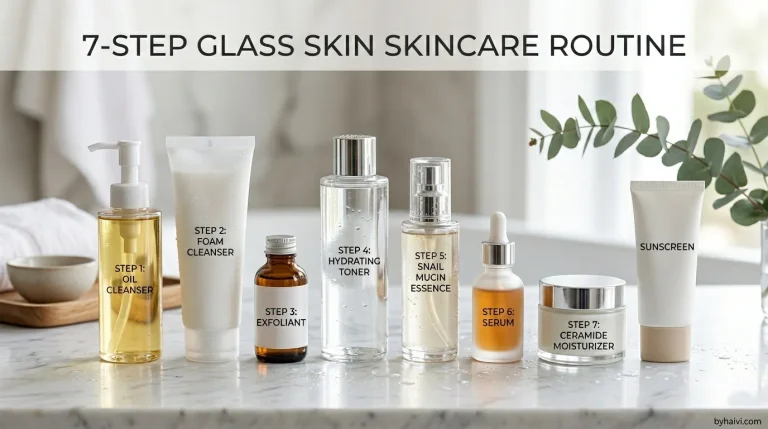
To properly execute the 72-hour “fasting and flooding” technique, you need a specific set of tools and ingredients. This isn’t the time to experiment with new products. Gather your trusted items beforehand to ensure a smooth, effective process. The goal is to first detoxify the surface and then saturate it with hydration.
- Core Ingredients & Tools:
- Oil-Based Cleanser: To dissolve sebum, sunscreen, and makeup.
- Gentle Water-Based Cleanser: To wash away remaining impurities.
- Chemical Exfoliant: A liquid with 5-7% AHA (like glycolic or lactic acid) or BHA (salicylic acid).
- Hydrating Toner: Must be alcohol-free, with ingredients like glycerin or panthenol.
- Hyaluronic Acid Serum: A formula with mixed molecular weights is ideal.
- Niacinamide Serum: A 5% concentration is best for pore refinement without irritation.
- Hydrating Sheet Masks: Choose masks with glycerin, HA, or centella asiatica.
- Ceramide Moisturizer: A cream rich in ceramides to lock everything in.
- Prerequisites:
- Avoid Sun Exposure: Your skin will be highly sensitive after exfoliation. Avoid direct, prolonged sun exposure for all three days.
- Use Sunscreen: If you must go outside, apply a broad-spectrum SPF 30+ sunscreen generously.
Step 1 – Double Cleanse to Remove Sebum (Day 1)
The foundation of glass skin is a perfectly clean canvas. The double cleansing method ensures the removal of both oil-based impurities (like sebum and sunscreen) and water-based impurities (like sweat and dirt). This step is critical because any remaining residue will block the absorption of the hydrating layers that follow.
First, massage an oil-based cleanser into dry skin for 60 seconds, rinse, and follow with a water-based cleanser for 30 seconds to remove all impurities. The biggest mistake people make is applying the oil cleanser to a wet face. Water repels the oil cleanser, preventing it from properly binding to the lipophilic (oil-loving) sebum and sunscreen deep within your pores. Use lukewarm water (around 37°C) to emulsify the oil into a milky texture before rinsing. This prevents leftover oil from clogging pores. The subsequent 30-second wash with a gentle, hydrating water-based cleanser removes any remaining residue, leaving your skin perfectly prepped for the next step.
Step 2 – Exfoliate Surface Dead Cells (Day 1)
The “glass” effect is a game of physics: light must reflect off a perfectly smooth surface. This step is designed to create that surface by removing the top layer of dead, dull skin cells. This is a one-time, controlled chemical exfoliation performed only on the evening of Day 1. Do not repeat this step on Day 2 or 3.
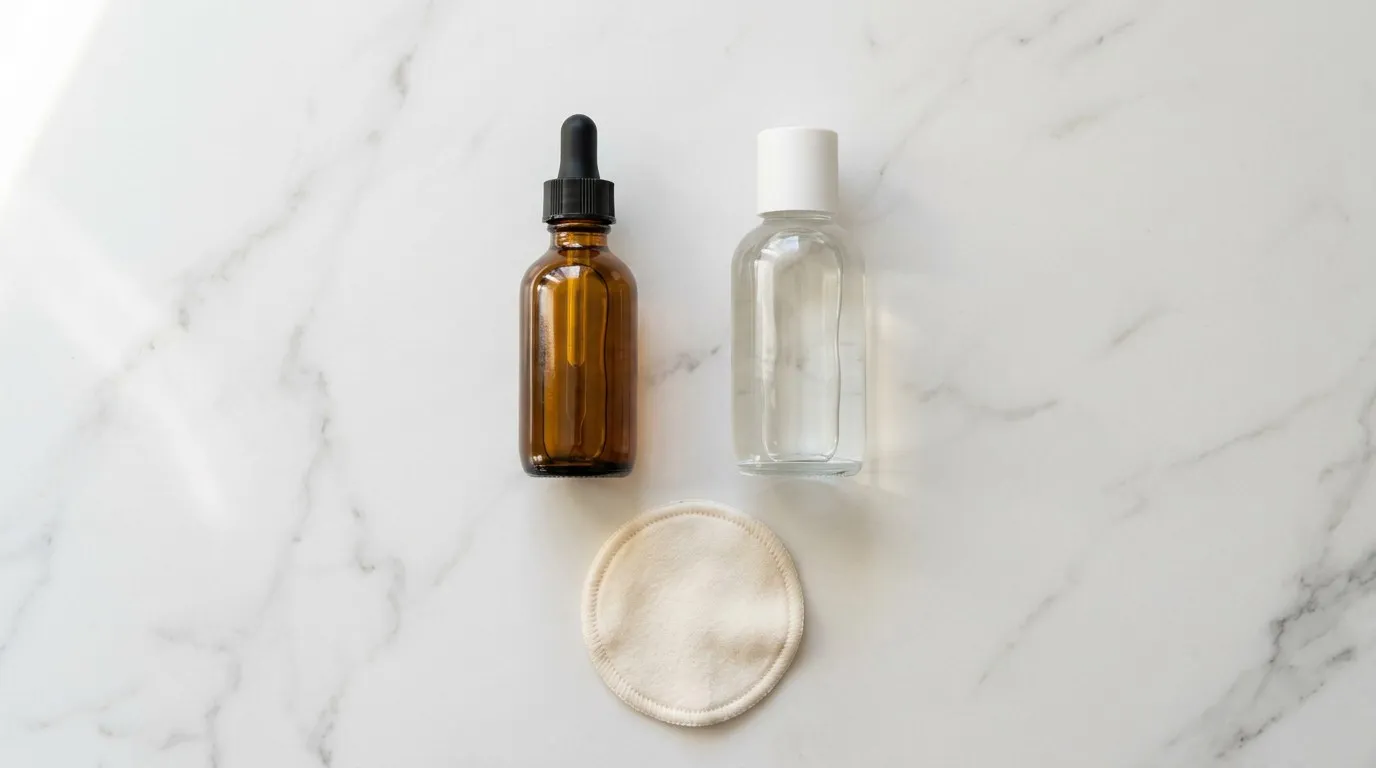
To achieve this, apply a liquid AHA or BHA exfoliant to the entire face using a cotton pad to dissolve the top layer of dead skin cells. It is critical to avoid physical scrubbing, which can cause micro-tears and inflammation. The question is, how much is safe and effective? For this intensive routine, use exactly three drops of a 5% to 7% concentration acid. Soak a cotton pad and gently swipe it over your face with zero downward pressure. This ensures an even, thin layer without causing irritation. Let it sit for a minute before proceeding to the next step; do not rinse it off.
Step 3 – Apply the 7-Skin Toner Method (Day 2)
After the “fasting” of Day 1, Day 2 is all about “flooding” the skin with hydration. The 7-Skin Method is a classic Korean beauty technique designed to force lightweight, watery hydration deep into the stratum corneum without the heaviness of creams. This builds the plump, dewy foundation of the glass skin look.
The process is simple but requires patience: pat one layer of hydrating toner into the face, wait 30 seconds for it to absorb, and repeat this process six more times. The 30-second gap between layers is non-negotiable; it ensures each layer is fully absorbed before the next is applied, preventing a sticky finish. For this method to work safely, the toner’s pH must be between 4.7 and 5.5 to maintain the integrity of the skin’s acid mantle. It must also be strictly alcohol-free, as alcohol will dehydrate the skin and negate the entire process.
Step 4 – Layer Hyaluronic Acid Serum (Day 2)
With your skin now saturated with watery toner, the next step is to add a powerful humectant that can hold onto that moisture. Hyaluronic acid is the gold standard, capable of holding up to 1,000 times its weight in water. This step, combined with a pore-refining serum, creates the visual effect of a plump, poreless complexion.
Directly after your final toner layer, apply three drops of hyaluronic acid serum onto visibly damp skin, followed by a 5% niacinamide serum to refine pores. Applying hyaluronic acid to damp skin is the most critical part of this step. If applied to dry skin, HA can pull moisture from the deeper layers of your skin, causing dehydration. You also need to consider the molecular weight of the serum. A formula containing both low molecular weight hyaluronic acid, which penetrates deeper for lasting plumpness, and high molecular weight HA, which sits on top for an instant visual gloss, will provide the best results for this emergency routine.
Step 5 – Apply a Hydrating Sheet Mask (Day 3)
On the morning of your event, the goal is to provide a final, intensive surge of moisture and create the most luminous canvas possible. A sheet mask acts as an occlusive barrier, physically forcing the hydrating ingredients from its essence into your skin and preventing them from evaporating. This is the peak of the “flooding” technique.
To execute this correctly, place a hydrating sheet mask over your face and remove it after exactly 15 minutes to compress moisture into the skin. Many people believe leaving a mask on longer provides more benefits, but this is a critical mistake. Once the mask begins to dry, it reverses the effect through capillary action, pulling moisture *back out* of your skin. The 15-minute limit prevents this reverse osmosis. The optimal time for this step is the morning of Day 3, as it provides the maximum immediate plumping and dewy glow for your upcoming event.
Step 6 – Lock in the 3-Day Glass Skin Glow (Day 3)
You’ve spent 72 hours carefully layering hydration; now you must seal it in. Without a final occlusive layer, all that carefully applied moisture will escape into the air through Transepidermal Water Loss (TEWL) within a few hours. This final step ensures the luminous, dewy effect lasts through your event.
Immediately after removing the sheet mask and patting in the remaining essence, massage a dime-sized amount of ceramide cream over the entire face to lock the moisture inside the skin barrier. Ceramides are lipids that are naturally part of your skin barrier, and applying them topically helps to rebuild and reinforce that protective matrix. For those with very dry skin, can slugging be used? Yes, you can apply a pea-sized amount of petrolatum over the moisturizer, but only at night. Oily skin types must avoid this final petrolatum layer to prevent clogged pores and potential breakouts.
How to Verify Your 3-Day Glass Skin Results
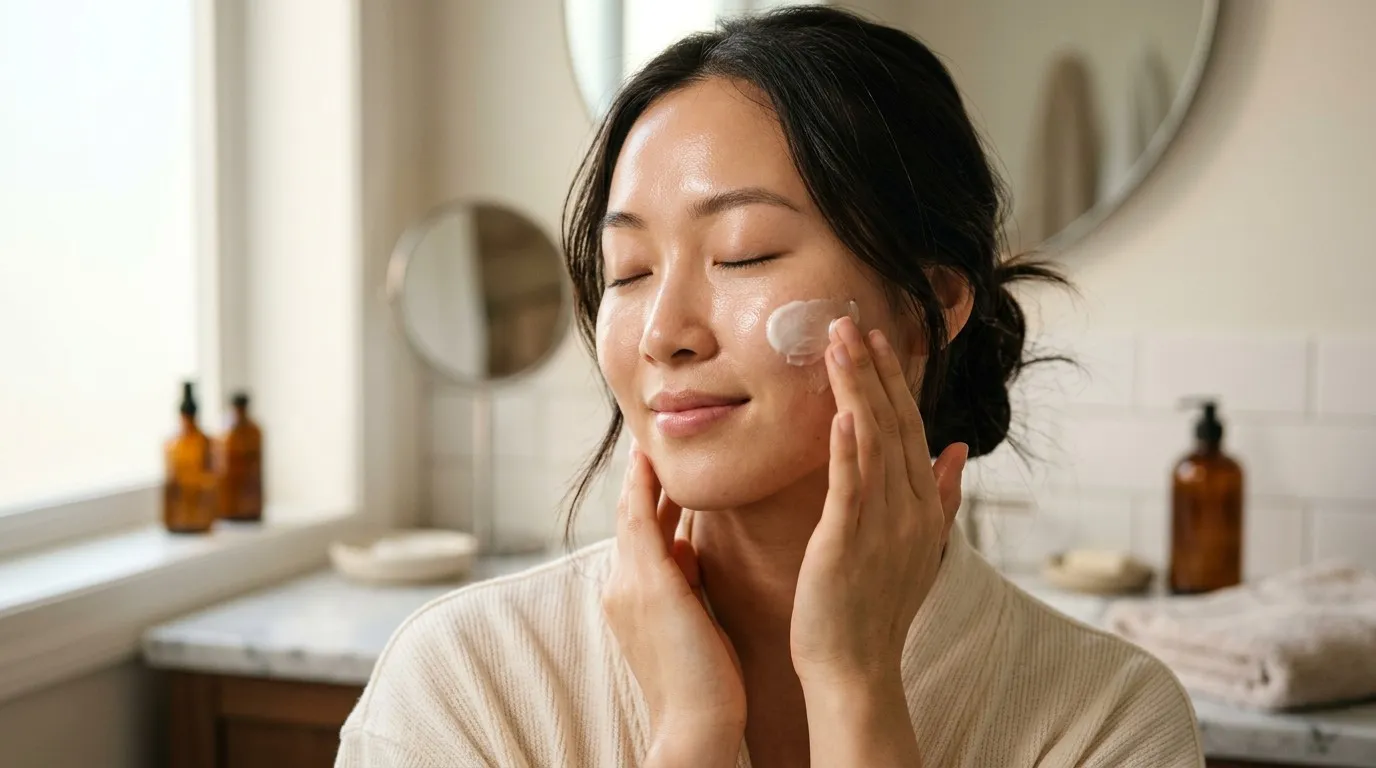
After completing the 72-hour protocol, you need to know what to look for to confirm your success. The results are both visual and tactile. True glass skin isn’t about being oily; it’s about being so hydrated that your skin is smooth, plump, and reflective. Here’s how to check your work:
✅ Success Signs
- High-Point Reflection: In natural light, you see a clean, crisp reflection on the high points of your face, like cheekbones and the bridge of your nose.
- Hydration Bounce: Gently press a finger into your cheek. The skin should feel plump and bounce back immediately.
❌ Failure Signs
- Flaky Patches: This indicates over-exfoliation and a damaged barrier. Stop all actives immediately.
- Excess Oil: If oil is pooling in your T-zone, your skin may be dehydrated and over-producing sebum to compensate.
Common Mistakes During the 72-Hour Routine
This is a precise protocol where small errors can either diminish your results or, worse, cause significant irritation. Based on common real-world failures, these are the critical mistakes to avoid to ensure you achieve a dewy glow instead of a damaged skin barrier. Adhering to the specifics is key.
- Mistake: Applying Hyaluronic Acid to dry skin.
Cause: This is the most common error. Hyaluronic acid is a humectant; it draws moisture from its environment. If your skin surface is dry, it will pull water from the deeper layers of your dermis, causing more dehydration.
Fix: Always apply HA serum to skin that is visibly damp with toner or water. - Mistake: Mixing incompatible active ingredients.
Cause: In a rush for results, some people might try to add other actives, like Vitamin C, into the same session as the AHA/BHA exfoliant. This creates an immediate pH conflict, which neutralizes both products and causes severe irritation.
Fix: Stick to the protocol. If you must use Vitamin C, apply it only in the morning, and use the AHA/BHA exfoliant only on the evening of Day 1. - Mistake: Leaving a sheet mask on for too long.
Cause: The belief that “longer is better” is false for sheet masks. Once the mask material becomes drier than your skin, it begins to pull moisture back out via reverse osmosis.
Fix: Set a timer and remove the mask after exactly 15 minutes, while it is still damp.
When to Consult a Dermatologist?
It’s vital to distinguish between the expected tingling of an active ingredient and a true chemical burn or allergic reaction. If you experience any of the following symptoms, stop all product use immediately, wash your face with cool water, apply a simple barrier cream, and consult a board-certified dermatologist or healthcare provider:
- The appearance of hives, welts, or blisters.
- Persistent, painful burning that does not subside after rinsing.
- Widespread redness (erythema) that lasts for several hours.
- Unusual swelling of the face or eyes.
Frequently Asked Questions About How to Get Glass Skin in 3 Days
This emergency routine raises many valid questions about its application for different skin types and methods. Here are direct answers to some of the most common queries to ensure you have a complete picture before you begin.
Can you get glass skin naturally in 3 days?
You can achieve a natural dewy glow in 3 days by substituting chemical products with DIY remedies. For example, use fermented rice water as a toner and apply raw honey masks for 20 minutes daily. Honey is a natural humectant that draws moisture into the skin, providing a similar plumping effect, though potentially less dramatic than a targeted chemical routine.
Is glass skin possible for oily skin in 3 days?
Yes, oily skin can achieve glass skin in 3 days by focusing strictly on lightweight, water-based hydration and avoiding heavy creams. The key is to incorporate a 5% niacinamide serum into the routine. Niacinamide is clinically shown to help regulate sebum (oil) production, which ensures you get a dewy, hydrated glow rather than a greasy shine.
What diet helps get glowing skin fast?
Consuming at least 3 liters of water daily alongside water-rich foods like watermelon, cucumber, and celery during the 72 hours directly increases baseline hydration levels in the dermis. This “inside-out” hydration supports the topical routine. Also, avoiding excess salt, sugar, and alcohol will help reduce puffiness and inflammation, contributing to a clearer, more luminous complexion.
Executing these 6 steps to get glass skin in 3 days provides an instant, luminous, and hydrated foundation for your upcoming event. The most crucial part of this intensive hydration strategy is consistency and listening to your skin. Remember to never skip the final ceramide moisturizing step, as unprotected hydration evaporates quickly, undoing all your hard work. After your event, transition this intensive protocol into a more balanced daily routine to maintain the health of your skin barrier and the luminous results permanently. If your skin exhibits ongoing inflammation, stop product use and consult a healthcare provider.