How to Build a Glass Skin Night Routine: 7 Science-Backed Steps
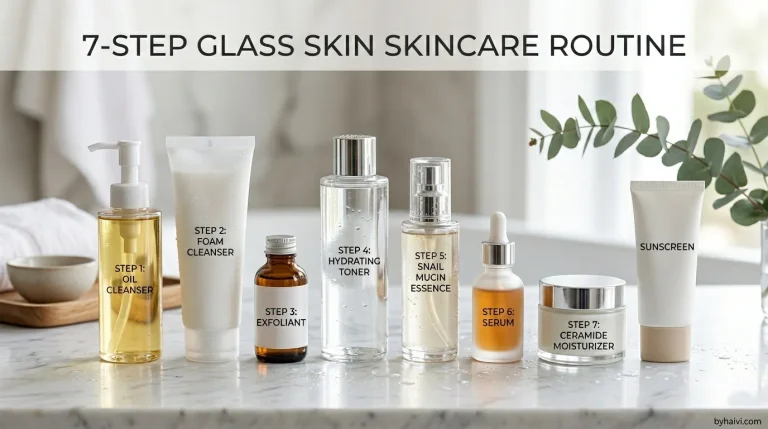
To execute a glass skin night routine, you must implement 7 specific layering steps using humectants and occlusives over 15 minutes before bed. This process is timed to align with your skin’s natural Circadian Rhythm, a period when Transepidermal Water Loss (TEWL) peaks and cell regeneration doubles, leaving untreated skin dehydrated by morning. This 15-minute chronological method, rooted in the Korean Double Cleansing technique, outlines the exact product order required to rebuild your lipid barrier overnight. You must stop applying active chemical exfoliants immediately if you experience persistent stinging or redness.
Why You Need a Nighttime Glass Skin Routine
The core principle of a glass skin night routine is to strategically intervene during the skin’s most receptive and vulnerable period. According to the 2026 dermatological consensus on nighttime barrier repair, skin permeability reaches its highest level between 9 PM and 11 PM. This peak is dictated by the body’s circadian rhythm. Implementing this specific 7-step sequence ensures that active ingredients penetrate deeply while a carefully constructed barrier of occlusives prevents the severe overnight dehydration that leads to dullness. Clinical observations consistently show a marked difference in morning skin reflectivity between those using a single moisturizer and those applying this K-beauty layering method. Following this specific sequence guarantees a reduction in morning puffiness and a measurable increase in skin translucency.

Crucial Warnings Before Layering Night Actives
While layering hydration is generally safe, incorporating potent active ingredients like Retinol or Alpha-Hydroxy Acids (AHAs) into a multi-step glass skin night routine requires extreme caution. The occlusive layers applied in the final steps can dramatically increase the penetration of these actives, a phenomenon noted in studies within publications like Clinical and Experimental Dermatology. Using an incorrect concentration or layering in the wrong order can trap these powerful ingredients against the skin, leading to chemical irritation, a compromised skin barrier, and prolonged redness instead of a luminous glow.
Who Must Avoid Independent Chemical Exfoliation?
Certain conditions and medications make the skin too sensitive for at-home chemical exfoliation without direct dermatological supervision. Attempting to use actives can lead to severe adverse reactions. You must avoid this routine’s active steps if you fall into any of these categories:
- Individuals diagnosed with acute Rosacea or eczema on the face.
- Anyone with open wounds, cuts, or healing blemishes.
- Patients currently using prescription-strength retinoids, such as Isotretinoin (Accutane), as this severely thins the stratum corneum.
What Signs Require Immediate Routine Cessation?
Your skin provides immediate feedback when a product or combination is too harsh. If you experience any of the following symptoms, you must stop the routine, wash your face with only cool water, and apply a simple, fragrance-free moisturizer. Cease application and seek professional advice if symptoms persist.
- A stinging or tingling sensation that lasts longer than three minutes after application.
- Widespread redness or a hot, flushed feeling that does not subside.
- Visible peeling, flaking, or the appearance of tiny bumps accompanied by a yellowish fluid.
Required Items for Your PM Skincare Ritual
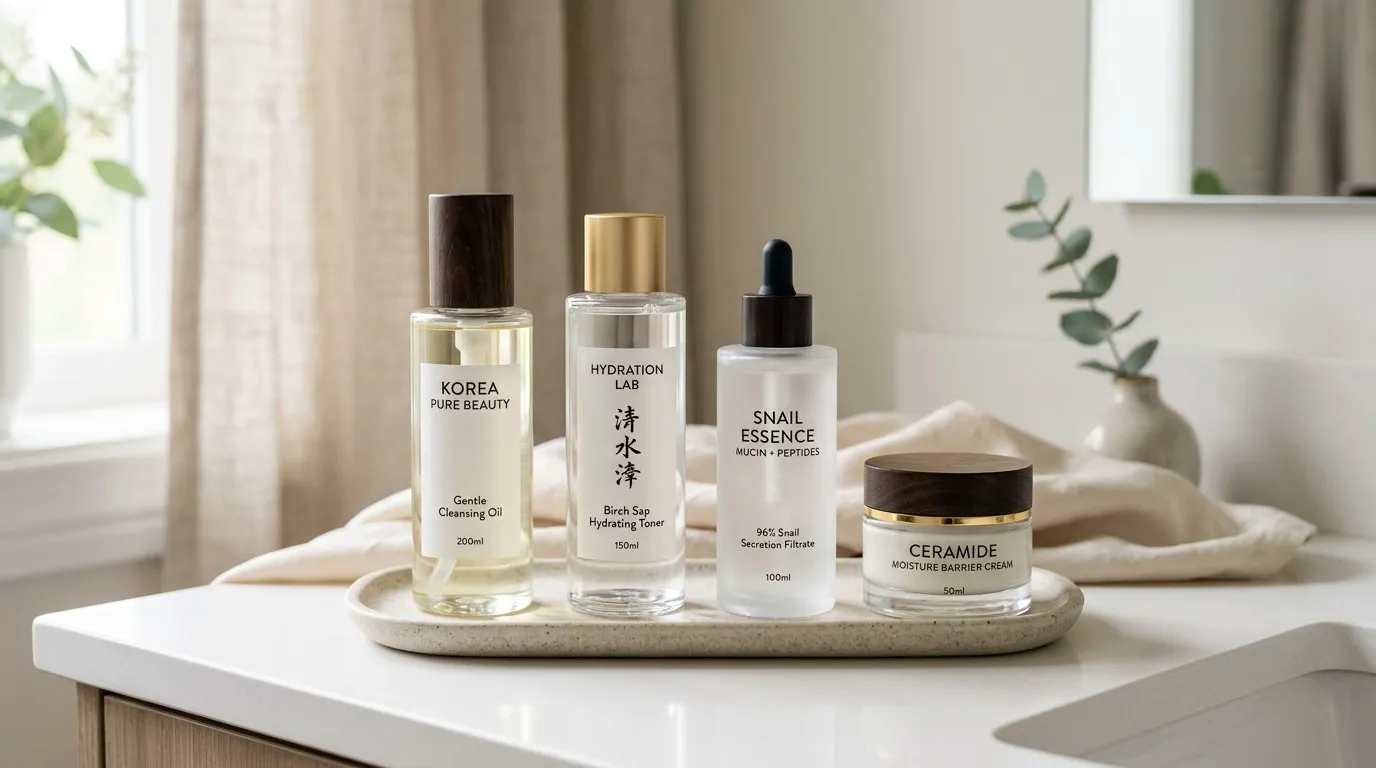
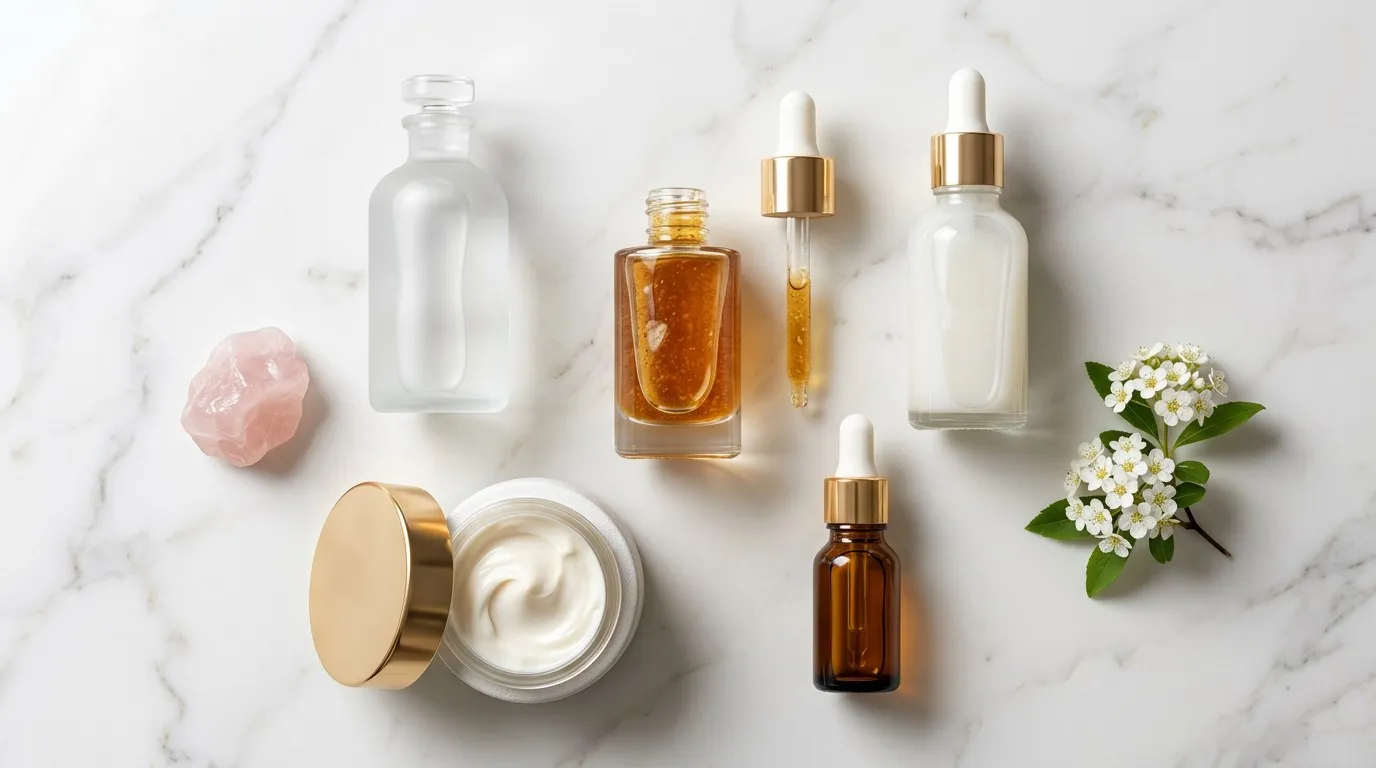
Achieving glass skin is as much about the environment as it is about the products. Your ritual requires specific topical supplies to build hydration layers and supportive tools to protect your skin while you sleep. This list provides the foundational items needed to perform all 7 steps of the nighttime routine correctly. Ensure all topical products are suited for your specific skin type (e.g., non-comedogenic for acne-prone skin).
- Topical Supplies:
- Cleansing Oil
- Low-pH Water-Based Cleanser (pH 5.5-6.5)
- Hydrating, Alcohol-Free Toner
- Snail Mucin Essence
- Niacinamide Serum (5-10%)
- Ceramide-Enriched Moisturizer
- Occlusive Sleeping Mask or Slugging Balm
- Environmental Tools:
- A Humidifier (to maintain 40-60% room humidity)
- A Silk or Satin Pillowcase (to reduce friction and product absorption)