How to Build a Korean Acne Skincare Routine: 7 Steps (2026)
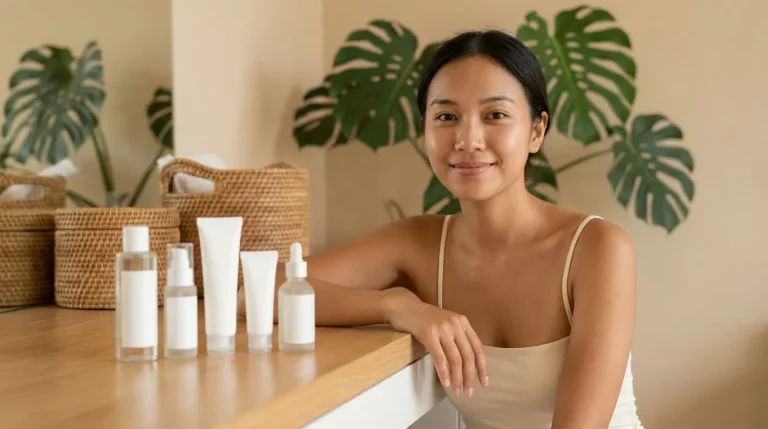
To build an effective Korean acne skincare routine that heals breakouts without stripping your moisture barrier, you need to shift your mindset from “attacking” the acne to “repairing” the skin. This routine focuses on the K-Beauty philosophy of gentle layering, using ingredients like Centella Asiatica and Heartleaf to calm inflammation while deeply hydrating. By following this 7-step PM process, you can expect to reduce redness immediately and see a significant reduction in active cysts within 4 to 6 weeks. Get your double cleansing duo ready—we are starting the path to clear skin right now.
Essential Preparation: The “Acne-Safe” Kit
Before touching your face, ensure you have the correct “Green” grade tools. Acne-prone skin requires specific handling:
- Time Commitment: 15 minutes (PM Routine).
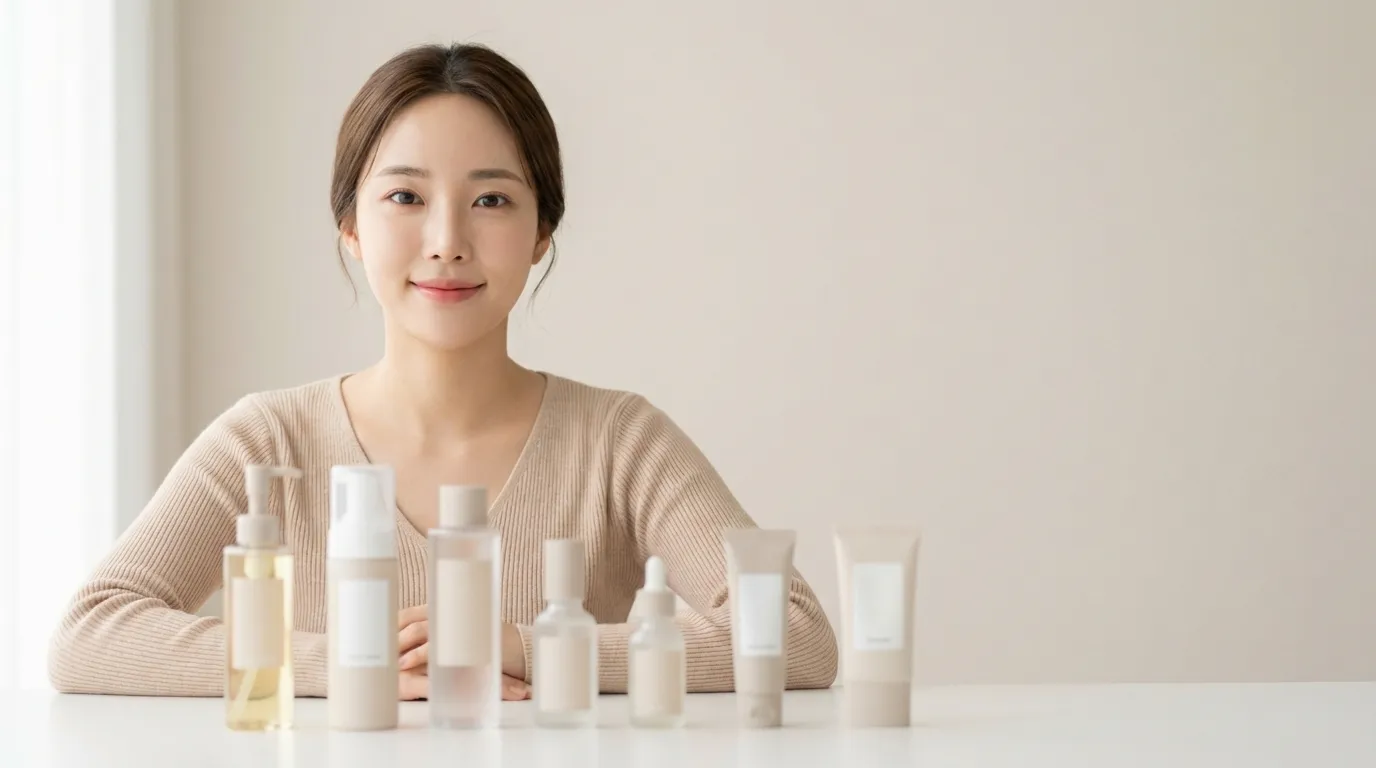
- The Double Cleanse Duo: An oil cleanser (Jojoba or Grapeseed base) + A Low pH Water-based foam.
- Key Actives: BHA (Salicylic Acid) for pores, Centella Asiatica (Cica) for calming.
- Hygiene: Wash your hands thoroughly with antibacterial soap before starting Step 1.
Step-by-Step Korean Acne Skincare Routine (PM Version)
The evening is crucial for acne-prone skin because this is when your skin switches from “protection mode” to “repair mode.” Follow these steps in exact order to maximize absorption and healing.
Step 1 Dissolve Sebum with an Oil Cleanser
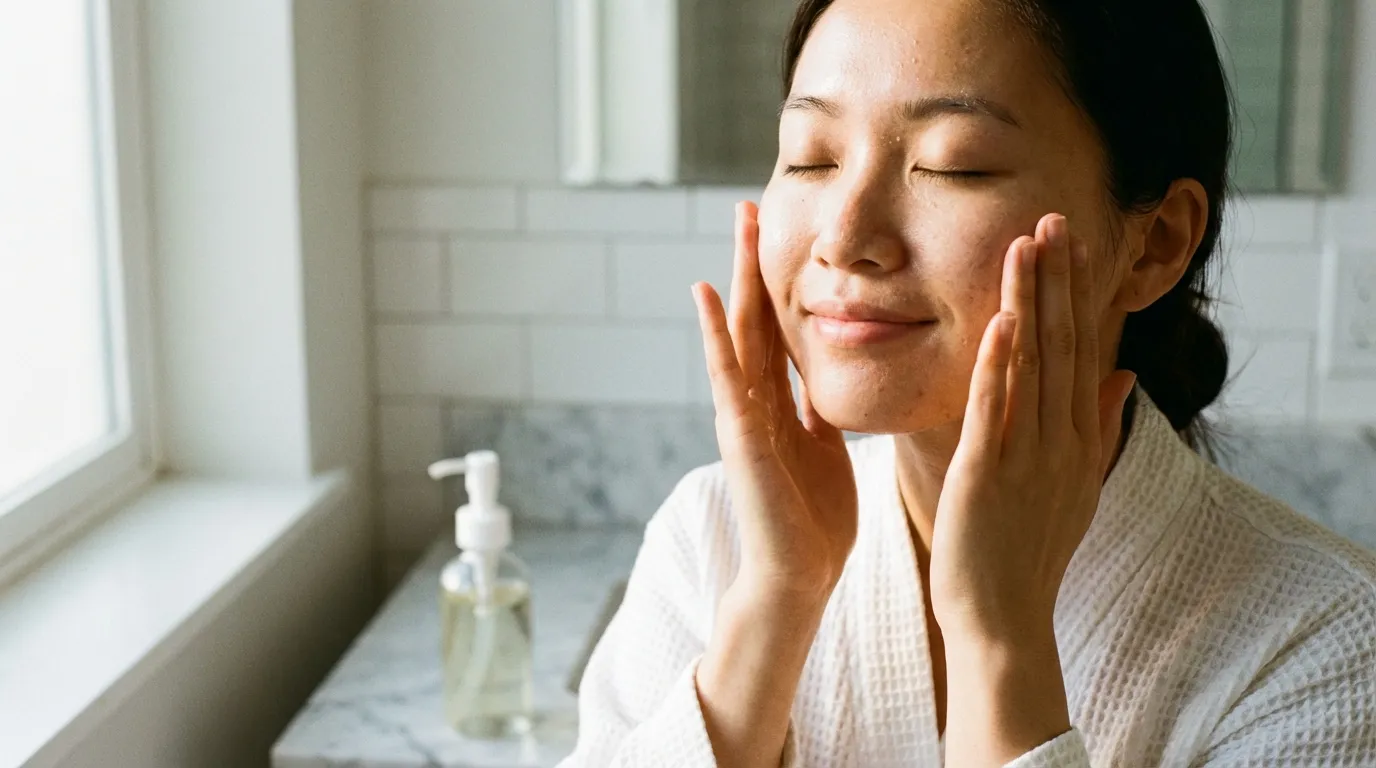
Action: Pump the oil cleanser 2-3 times into dry hands and massage it onto your dry face.
Explanation: Do not wet your face first. Oil attracts oil. You need to massage gently for a full 60 seconds (The 60-Second Rule) to allow the oil to penetrate pores and melt away excess sebum, sunscreen, and makeup. Focus on the nose and chin areas where congestion is highest.
Result: After rinsing with water, the oil should emulsify (turn milky) and wash away, leaving your skin feeling soft, not tight.
Warning: Avoid Coconut Oil
Step 2 Purify Pores with a Water-Based Foam
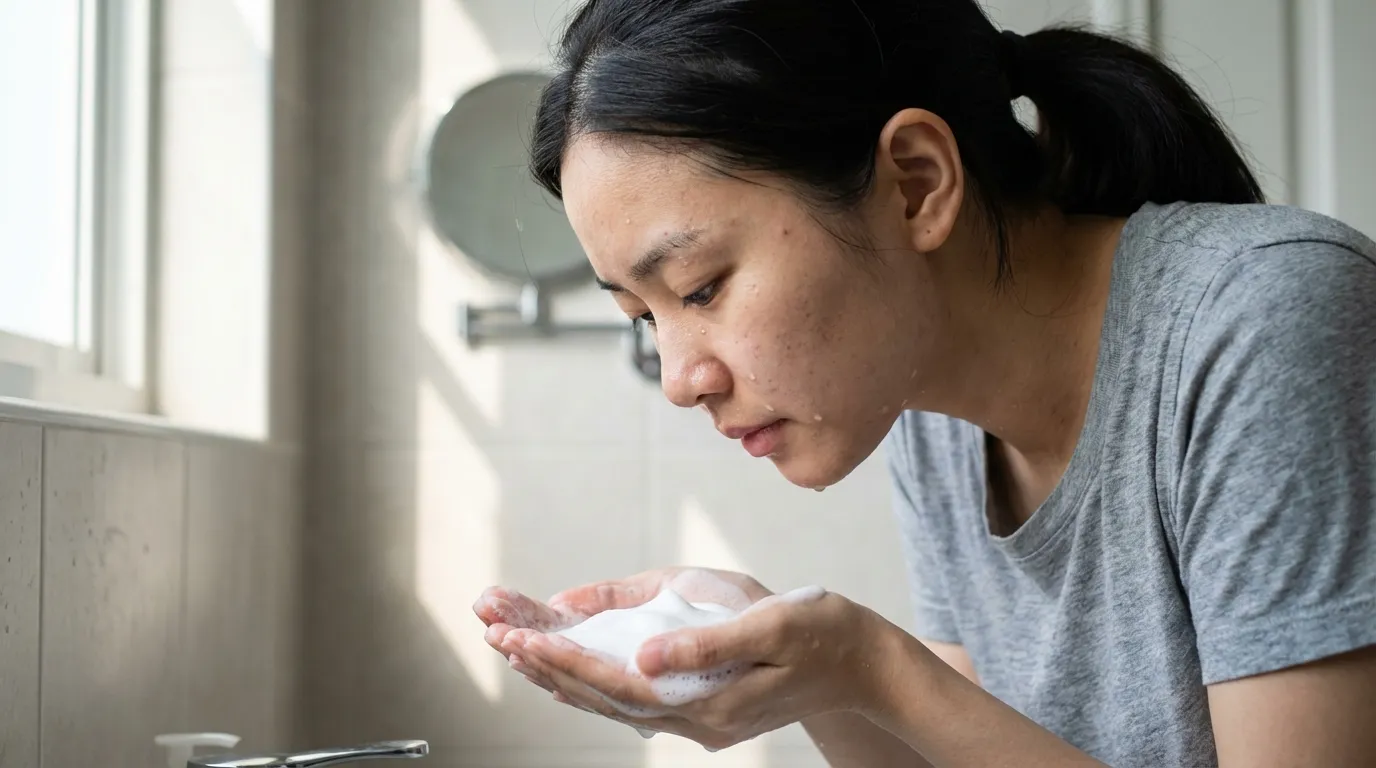
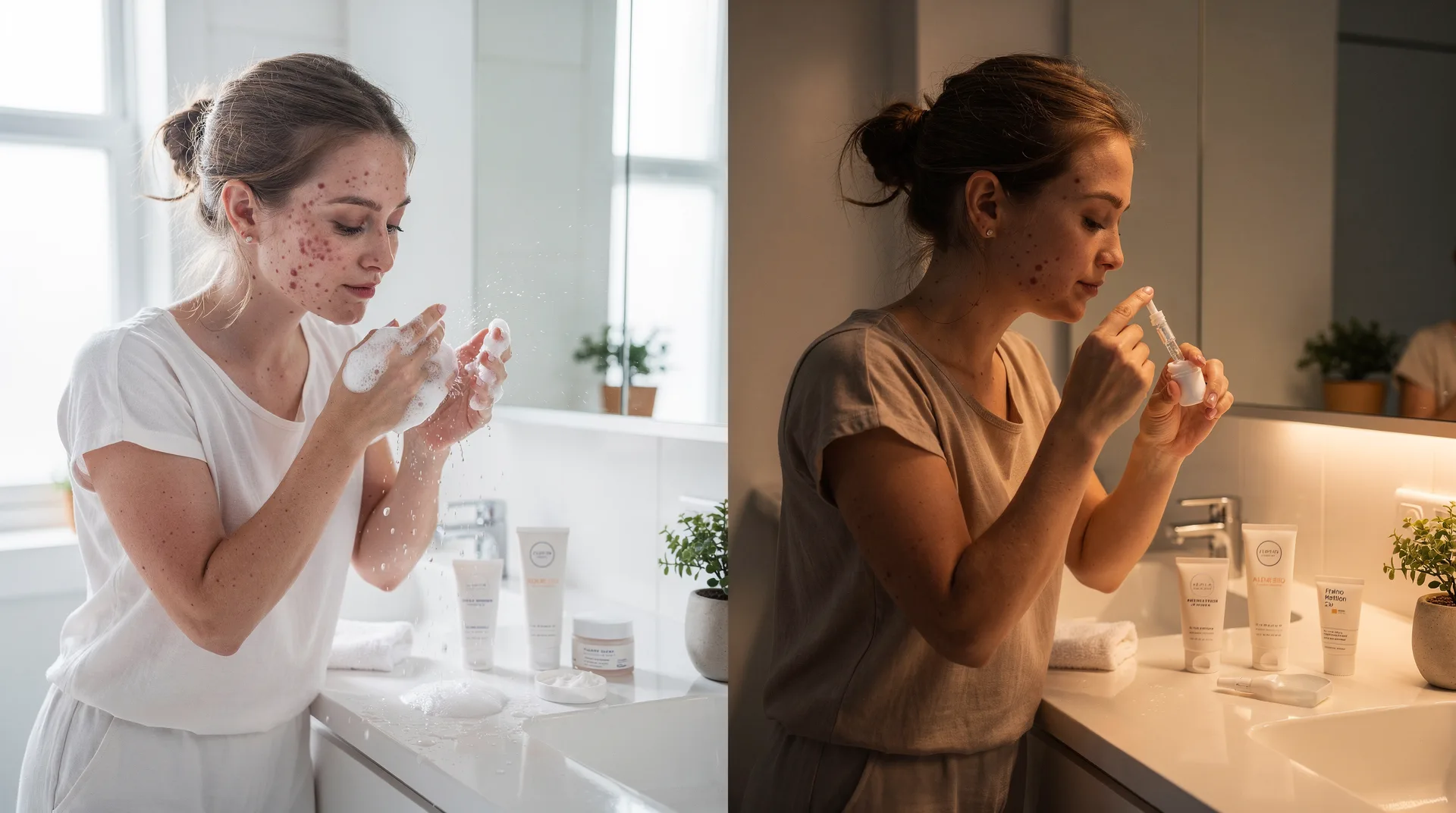
Action: Lather a pea-sized amount of low-pH foam cleanser in your hands first, then apply the foam to your damp face.
Explanation: This is the second half of the “Double Cleanse.” It removes the oil residue and sweat. Use lukewarm water exclusively—hot water strips natural oils and aggravates inflamed acne.
Result: Your skin should feel clean and fresh, but never “squeaky” clean. Squeaky means you’ve damaged the barrier.
Step 3 Exfoliate Gently with Acids (2-3 Times a Week)
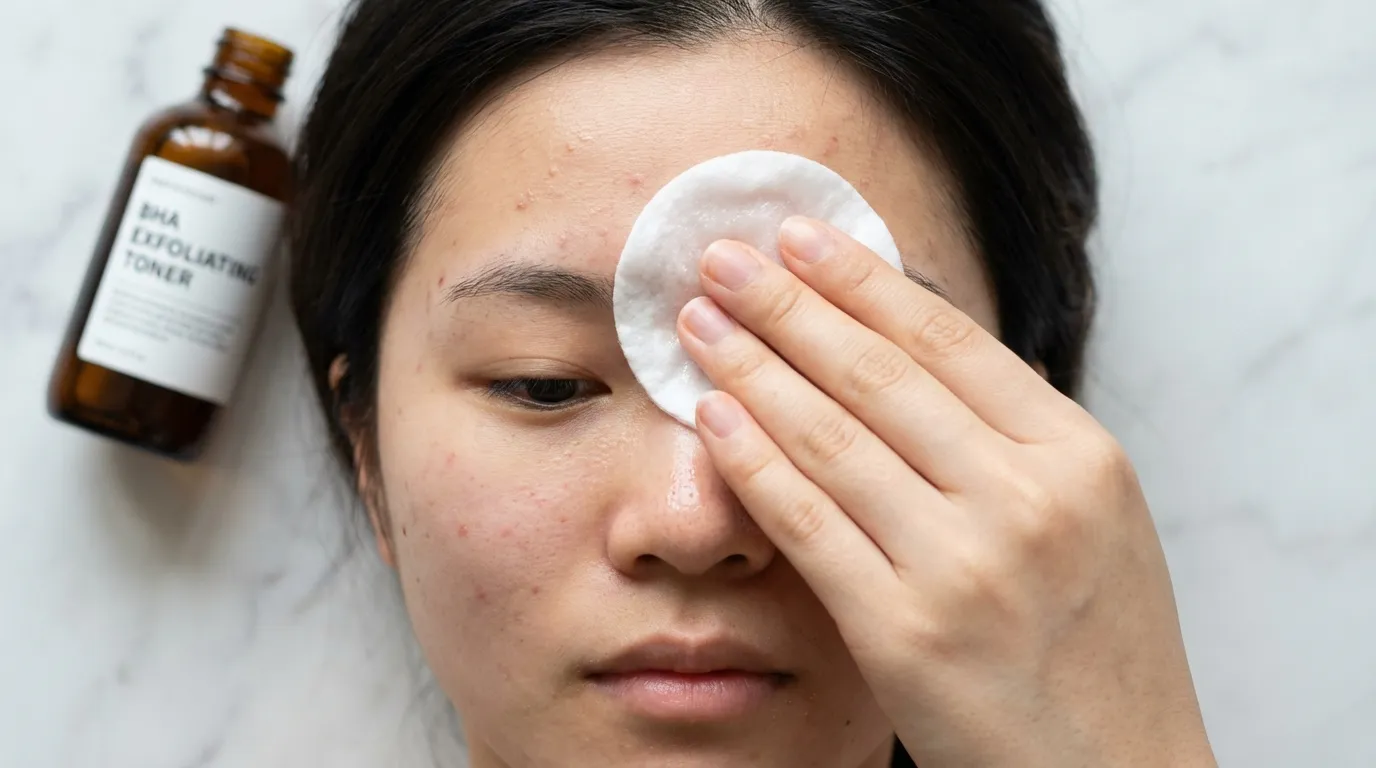
Action: Swipe a cotton pad soaked in BHA (Salicylic Acid) or PHA toner over your T-zone and active breakout areas.
Explanation: Chemical exfoliants dissolve the “glue” holding dead skin cells together inside the pore. Unlike physical scrubs (which tear acne open), acids clean deep inside the pore lining.
Result: The skin surface feels smoother. Note: Do not do this every night if you are a beginner; start with twice a week.
Step 4 Balance pH Levels with a Hydrating Toner
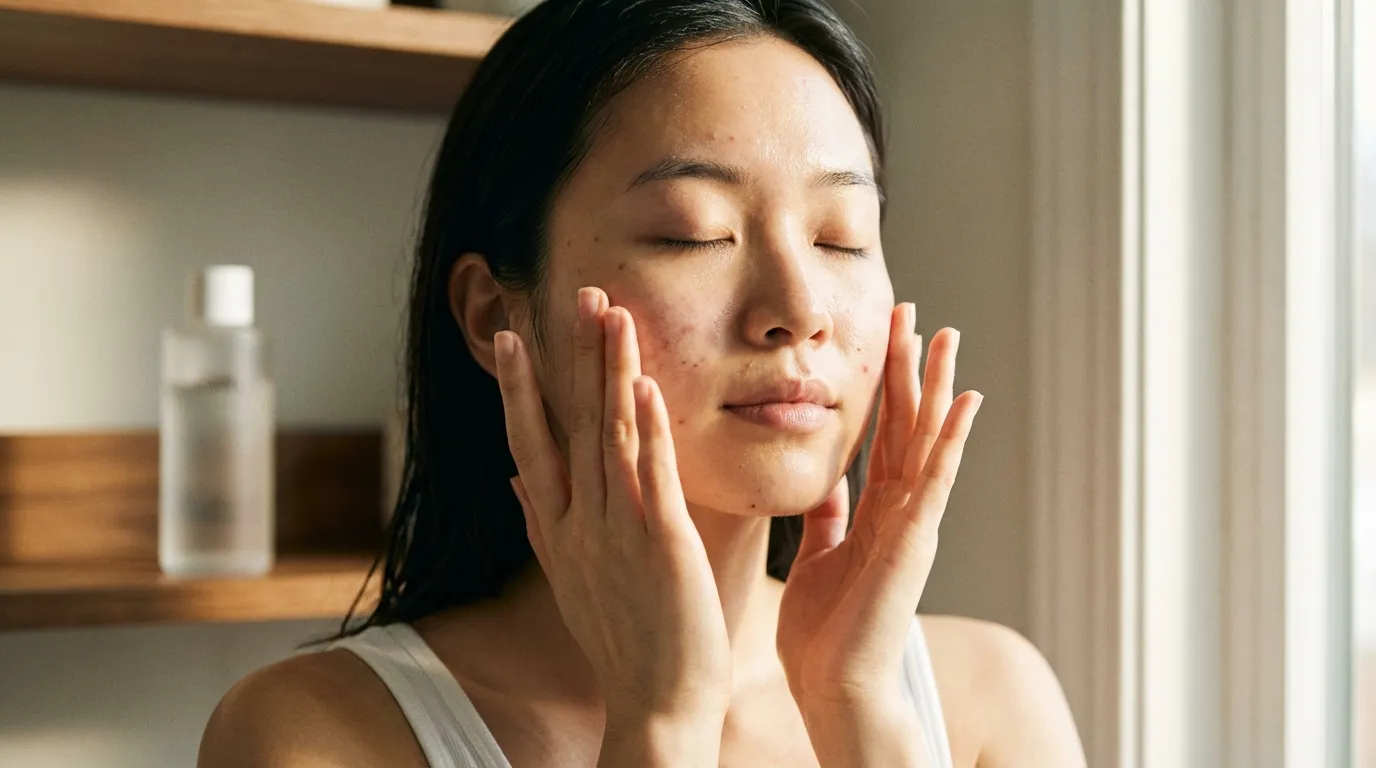
Action: Pour a coin-sized amount of hydrating toner into your palms and pat it directly into your skin.
Explanation: Acne treatments can be drying. A toner resets your skin’s pH balance and acts as a sponge, prepping your skin to drink up the expensive serums coming next. Look for ingredients like Green Tea or Mugwort.
Result: Skin feels plump, cool to the touch, and hydration levels are restored instantly.
Step 5 Treat Breakouts with an Ampoule or Serum
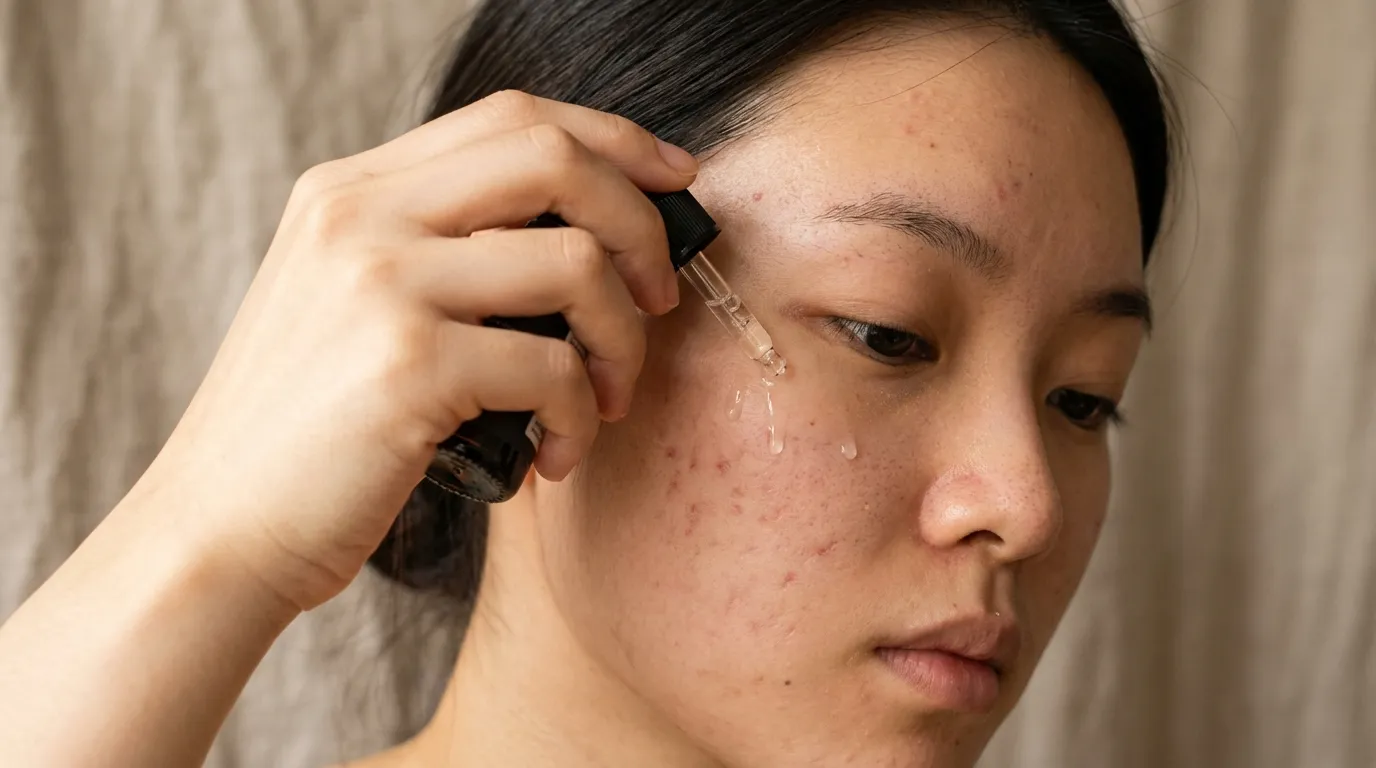
Action: Apply 3-4 drops of your treatment serum to your cheeks and forehead, gently pressing it in.
Explanation: This is the “heart” of the Korean routine. Use high-concentration serums to target specific issues.
- For red, inflamed acne: Use Centella Asiatica (Cica) or Tea Tree.
- For acne scars/dark spots: Use Niacinamide or Snail Mucin.
Result: The active ingredients are absorbed directly into the problem areas without evaporation.
Step 6 Lock in Moisture with a Barrier Cream
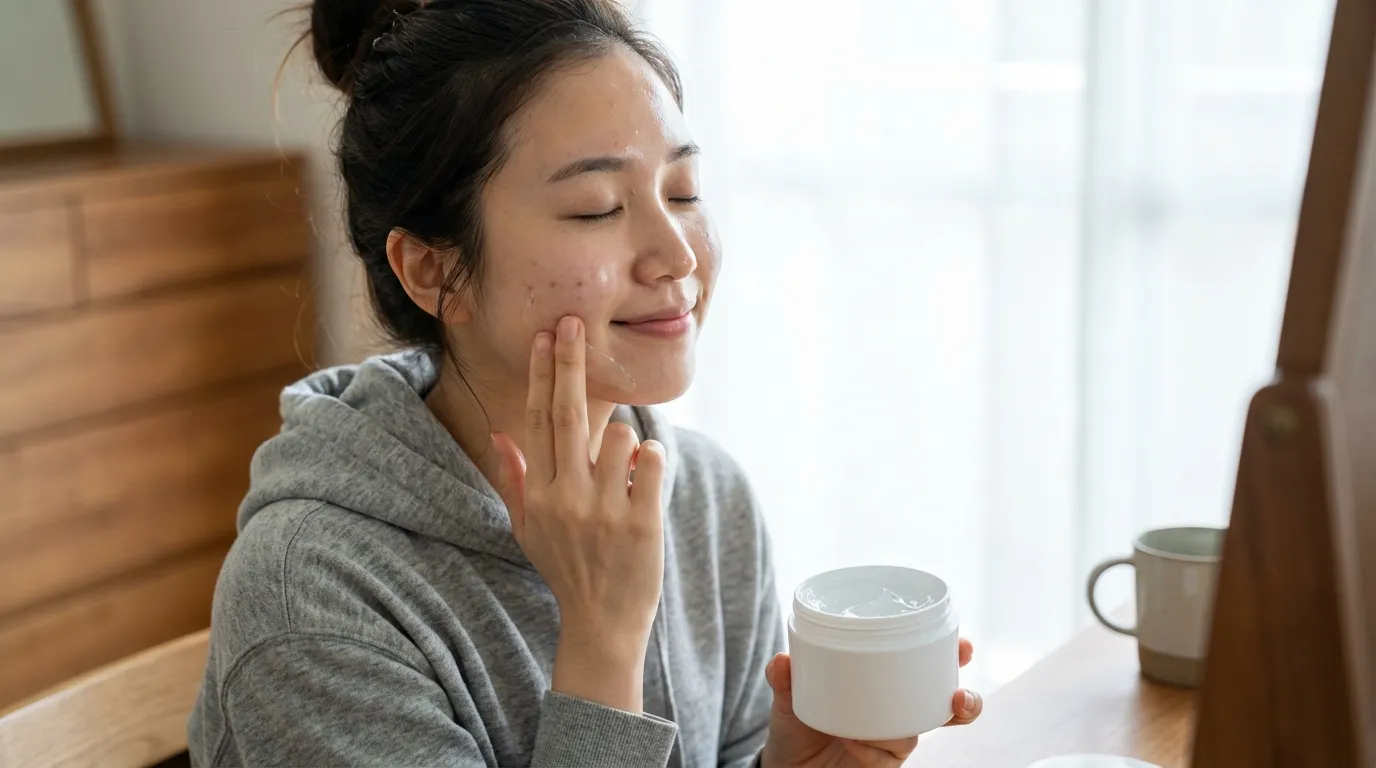
Action: Apply a nickel-sized amount of lightweight, non-comedogenic gel moisturizer over the entire face and neck.
Explanation: You must seal the previous steps. If you skip this, the hydration will evaporate (Transepidermal Water Loss), causing your skin to produce more oil to compensate. Look for Ceramides to repair the skin barrier.
Result: Skin looks dewy (“glass skin” effect) and feels protected.
Step 7 Apply a Spot Treatment (Optional)
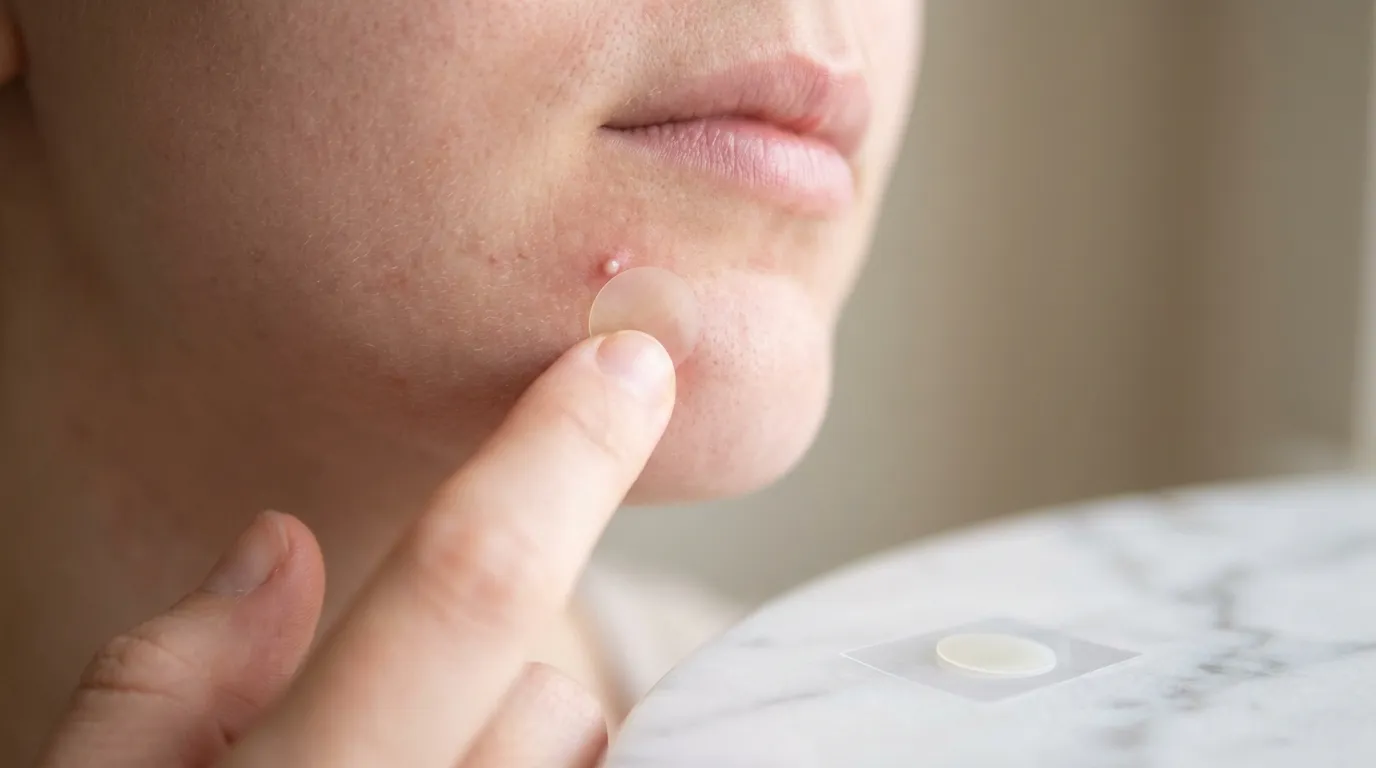
Action: Place a hydrocolloid pimple patch on any whiteheads or dab a drying lotion on cystic spots.
Explanation: Patches absorb the fluid (pus) from the pimple and create a sterile environment, preventing you from picking at it with dirty fingers.
Result: By morning, the pimple is significantly flatter and less red.
Expert Tips for Maximum Results
To get the most out of your korean acne skincare routine, timing and ingredient rotation are key. Use this schedule to balance treatment with recovery.
| Strategy / Method | How to Execute |
|---|---|
| The 7-Skin Method | Apply your toner in 3 to 7 thin layers consecutively. This forces hydration deep into the dermis without the heaviness of a thick cream. Ideal for dehydrated oily skin. |
| Pillowcase Hygiene | Change your pillowcase every 2 days. Bacteria and hair products accumulate on the fabric and transfer back to your face at night, causing “sleep side” acne. |
| Wait Times | Wait approximately 30-60 seconds between each step. If your skin feels tacky or sticky, you are applying layers too fast or using too much product. |
Common mistakes & Troubleshooting
Even with the best products, user error can lead to breakouts. Here is how to fix common issues:
- “My skin is breaking out more (Purging):” If small whiteheads appear in areas where you usually get acne after starting BHA/AHA, this is purging. It lasts about 2-4 weeks. Keep going. If you get red, itchy bumps in new areas, that is a reaction—stop immediately.
- “My skin feels tight after cleansing:” Your water-based cleanser has a pH that is too high (alkaline). Switch to a cleanser labeled “Low pH” (5.5 – 6.0) immediately to protect your barrier.
- “No results after 1 week:” Be patient. The skin cell turnover cycle is roughly 28 days. You need to stick to the routine for at least 4-6 weeks to see real changes in acne.
Common questions about korean acne skincare routine
Here are the answers to the most frequent inquiries regarding this skincare method.
Can I use retinol with a Korean skincare routine?
Yes, you can. However, retinol should be treated as your “active” step (Step 5). Do not use retinol on the same night as your exfoliators (Step 3). Alternate them: Retinol one night, hydration focus the next, and exfoliation on the third night. Always follow up with a barrier cream.
Is oil cleansing safe for oily acne-prone skin?
Absolutely. It is actually the best method for oily skin. According to the “like dissolves like” principle, oil cleansers bind to the excess sebum on your face and remove it much more effectively than water-based cleansers alone. Just ensure you wash it off completely with your water-based cleanser (Step 2) to prevent residue.
How long does it take to see results?
You will notice improved hydration and softness immediately (overnight). However, for a significant reduction in active acne and redness, it typically takes 4 to 6 weeks of consistent application. For acne scars (PIH), it may take 3 to 6 months depending on the severity.
Conclusion: Building a korean acne skincare routine is not about buying the most expensive products, but about consistency and respecting your skin barrier. Start with the double cleanse tonight, keep your hydration layers light, and give your skin the 28 days it needs to reset. Clear, glass skin is a marathon, not a sprint—start your journey today.