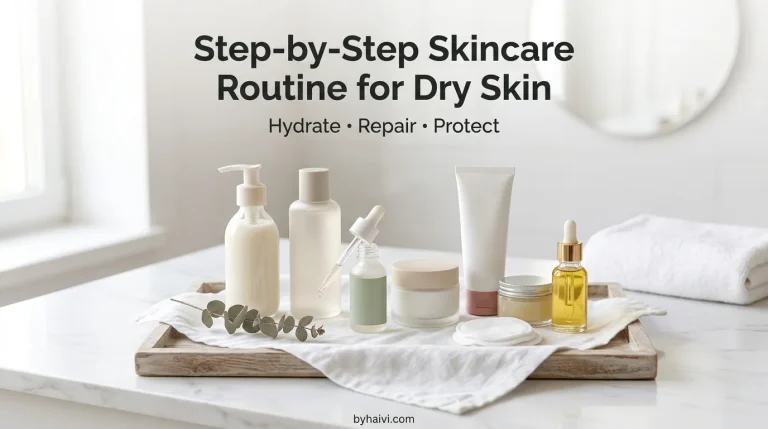
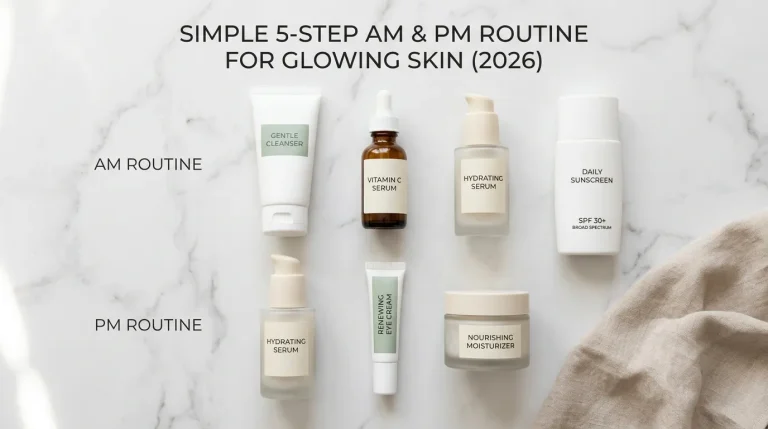
How to Build a Winter Skincare Routine for Glowing Skin (2026)
Hey there. If you’re anything like me, the second the temperature drops, your skin starts sending out an SOS signal. That tight, flaky, and frankly uncomfortable feeling is something I battled for years. To master your skincare routine for winter, you need to switch from a defense-only strategy to an offense of deep hydration and barrier protection. This isn’t about buying a dozen new products; it’s about a smarter, 5-step process that uses specific techniques to lock moisture in. This guide lays out that exact process, turning your skin from stressed to supple in about 10 minutes a day. Let’s get your glow back, even when it’s freezing outside.
The Essential Winter Skincare Toolkit: What You’ll Need
To ensure your routine is seamless and effective, let’s do a quick pre-flight check. Having these items ready means you’re prepared to give your skin exactly what it needs to thrive in the cold.
- Total Time Commitment: 5-10 minutes (Morning), 10-15 minutes (Evening).
- Difficulty Level: Beginner-friendly.
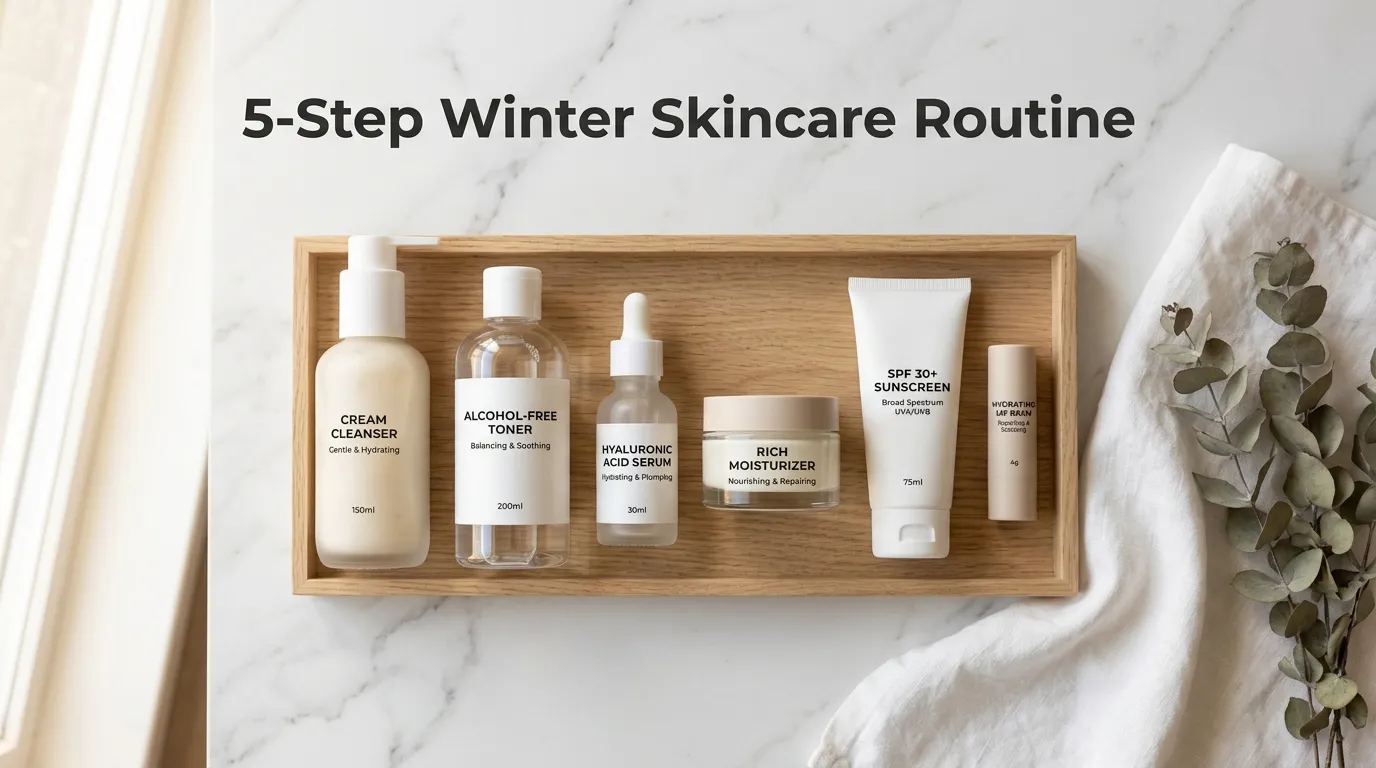
- Required Arsenal (The Products):
- A Gentle, Hydrating Cleanser (cream, milk, or oil-based formulas are ideal)
- An Alcohol-Free Hydrating Toner (look for glycerin, hyaluronic acid)
- A Targeted Hydrating Serum (Hyaluronic Acid is non-negotiable)
- A Rich, Barrier-Repairing Moisturizer (with ceramides, shea butter, or squalane)
- A Broad-Spectrum Sunscreen (minimum SPF 30+)
- A Protective Lip Balm
- Key Condition: Always use lukewarm water. Hot water is a major enemy of your skin barrier in winter.
The 5-Step Winter Skincare Routine (AM & PM Guide)
This 5-step process is your core strategy for building a resilient, hydrated skin barrier that can withstand harsh winter conditions. The goal is consistency over complexity. Follow these steps every morning and evening for visible results. Let’s begin with the most foundational step: cleansing.
Step 1 Cleanse Gently Without Stripping Natural Oils
Action: Dispense one pump of a cream or oil-based cleanser onto your fingertips. Gently massage it onto your face for a full 60 seconds, using only lukewarm water. Rinse thoroughly and pat your skin with a soft towel, leaving it slightly damp.
Pro-Tip for Evening (PM): If you wear makeup or sunscreen, you must “double cleanse.” First, use an oil-based cleanser to dissolve everything on the surface. Follow that with your gentle cream cleanser to clean the skin itself.
Success Checkpoint: After cleansing, your skin should feel soft, calm, and clean—never tight, squeaky, or stripped. That tight feeling is a sign your skin’s protective barrier has been compromised.

Step 2 Hydrate and Rebalance with a Calming Toner
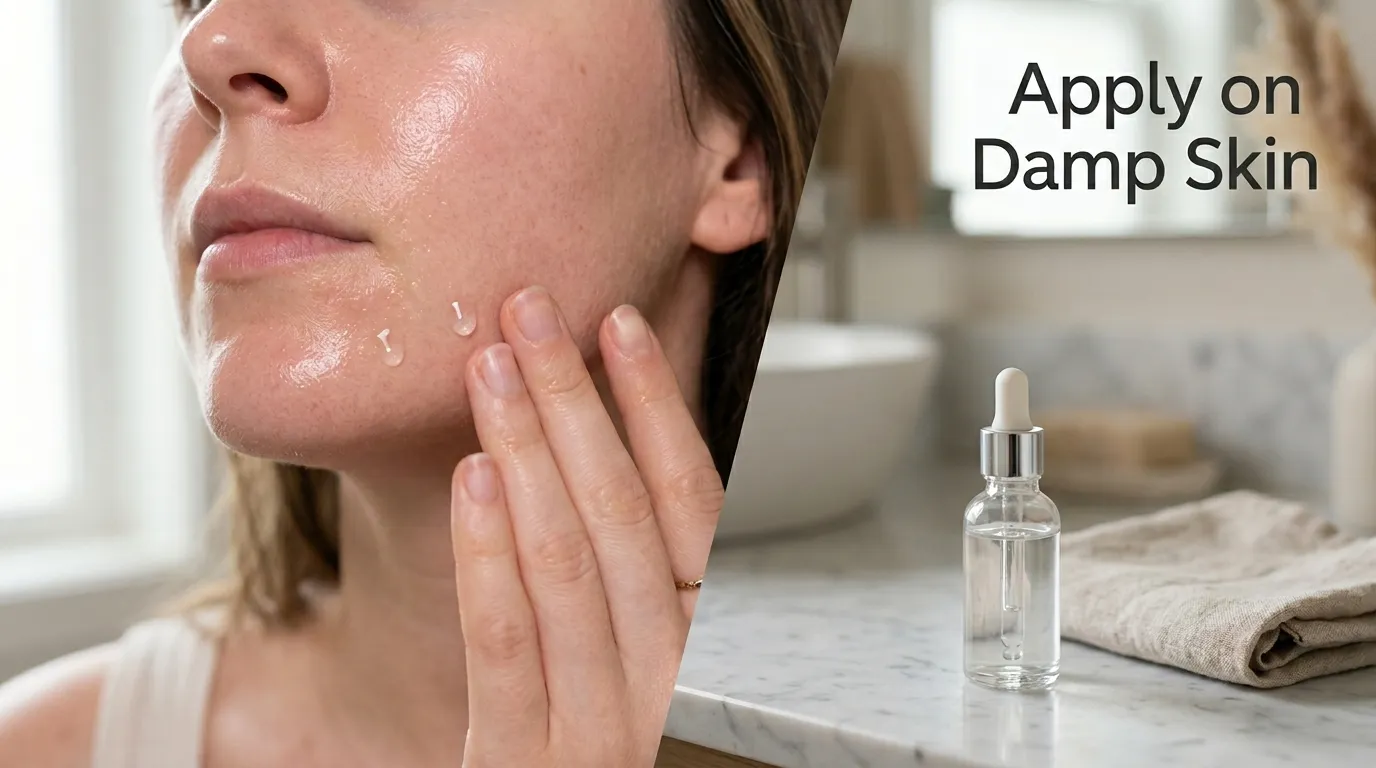
Action: Immediately after cleansing, while your skin is still damp, pour a few drops of your alcohol-free hydrating toner into your palms. Gently press and pat the toner into your face and neck. Avoid rubbing.
Why this works: Damp skin is significantly more permeable than dry skin. Applying hydrating products at this stage acts like a sponge, pulling that first layer of moisture deep into the skin and preparing it for your serum.
Success Checkpoint: Your skin should feel instantly refreshed and look slightly dewy, with no sticky residue.
Step 3 Target Dryness with a Hydrating Serum
Action: Apply 2-3 drops of your hydrating serum, like Hyaluronic Acid or Niacinamide, onto your still-damp face. Gently pat it across your skin until it is mostly absorbed.
Why this works: Serums contain a high concentration of active ingredients with smaller molecules, allowing them to penetrate deeper than moisturizers. A humectant like Hyaluronic Acid is critical here, as it pulls water from the environment (and from your toner) into the skin cells, plumping them from within.
Success Checkpoint: Your skin will feel noticeably more plump and hydrated. It will have a visible, healthy-looking dewiness.
Step 4 Moisturize and Fortify the Skin Barrier
Action: Scoop a nickel-sized amount of a rich moisturizer. Warm it for a moment between your fingertips, then gently press and massage it into your face and neck. This is your final step in the evening (PM).
Why this works: This is the “lock and seal” step. Your moisturizer creates an occlusive barrier on the skin’s surface. This serves two functions: it seals in the water from your toner and serum, and it protects your skin from the dry, cold air that tries to pull moisture out. Ingredients like Ceramides are lipids that are crucial for repairing and maintaining this barrier.
Success Checkpoint: Your skin feels comfortable, supple, and nourished, with a healthy sheen but without feeling heavy or greasy.
Step 5 Protect with Broad-Spectrum Sunscreen (AM Only)
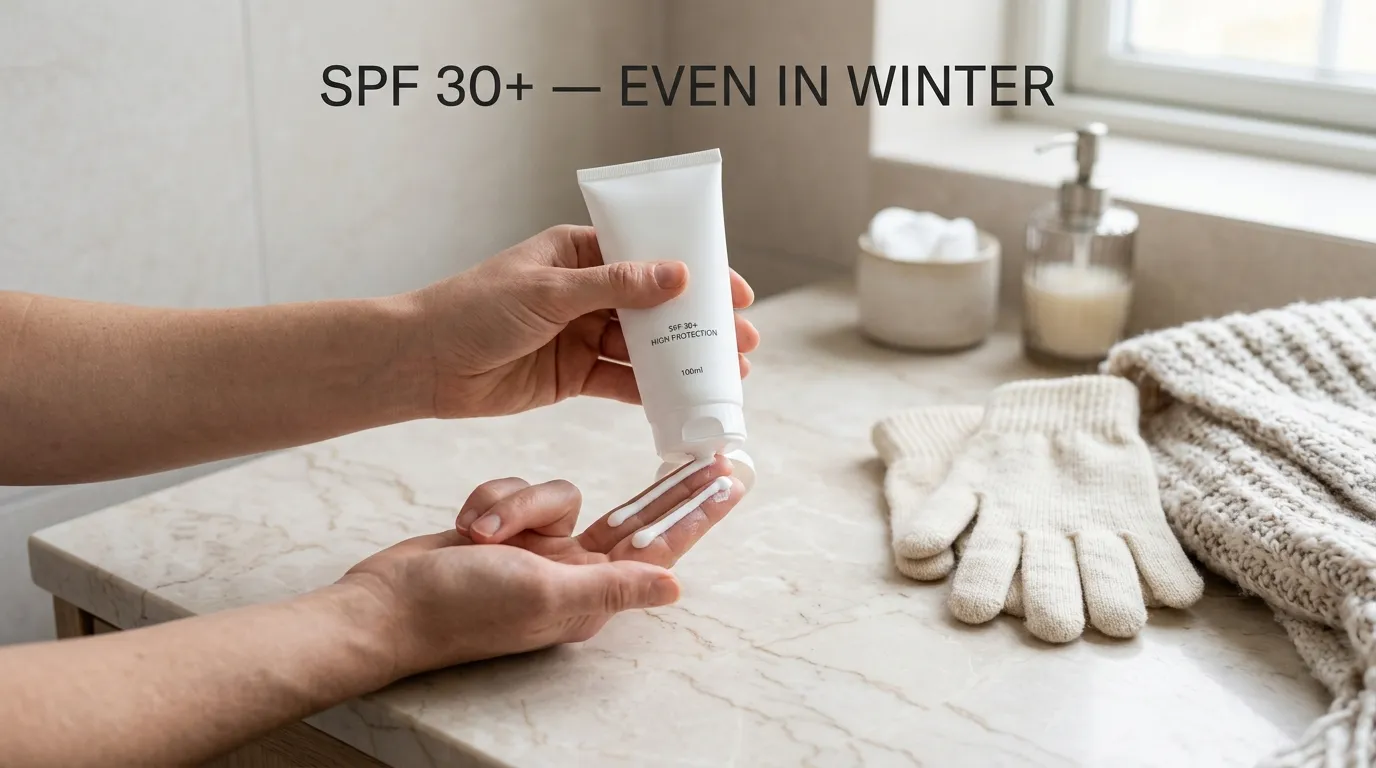
Action: As the absolute final step of your morning routine, apply a generous amount of broad-spectrum sunscreen with at least SPF 30+. A good rule of thumb is the “two-finger” method: squeeze a line of sunscreen onto your index and middle fingers, and apply that amount to your face and neck.
Critical Warning: Do Not Skip This Step
Success Checkpoint: The sunscreen is fully absorbed without a noticeable white cast, and your skin feels ready for the day, whether you’re applying makeup or not.
Common Winter Skincare Mistakes and How to Fix Them
Even with the right steps, you might run into issues. Based on my clinical observations, these are the most common problems people face with their winter skincare routine and the direct solutions.
| The Problem | The Actionable Solution |
|---|---|
| “My skin still feels tight and dry after my routine.” | Your cleanser is the likely culprit. Switch to an even gentler formula, like a cleansing balm or oil. Also, re-confirm you are applying toner and serum to visibly damp skin—this is a game-changer. |
| “My new rich moisturizer is causing breakouts.” | Your skin may be dehydrated, not truly dry, causing it to overproduce oil. Look for a rich cream that is explicitly labeled “non-comedogenic.” Alternatively, try layering a lighter gel-cream over your hydrating serum. |
| “My skin is red, sensitive, and irritated.” | Your skin barrier is compromised. Immediately stop using all “active” ingredients (retinoids, vitamin C, exfoliating acids). Pare your routine back to the bare essentials: gentle cleanse, simple moisturizer, and sunscreen for 5-7 days to allow it to heal. |
Expert Tips for Maximum Winter Skin Health
To truly elevate your skin’s health, incorporate these professional-level habits:
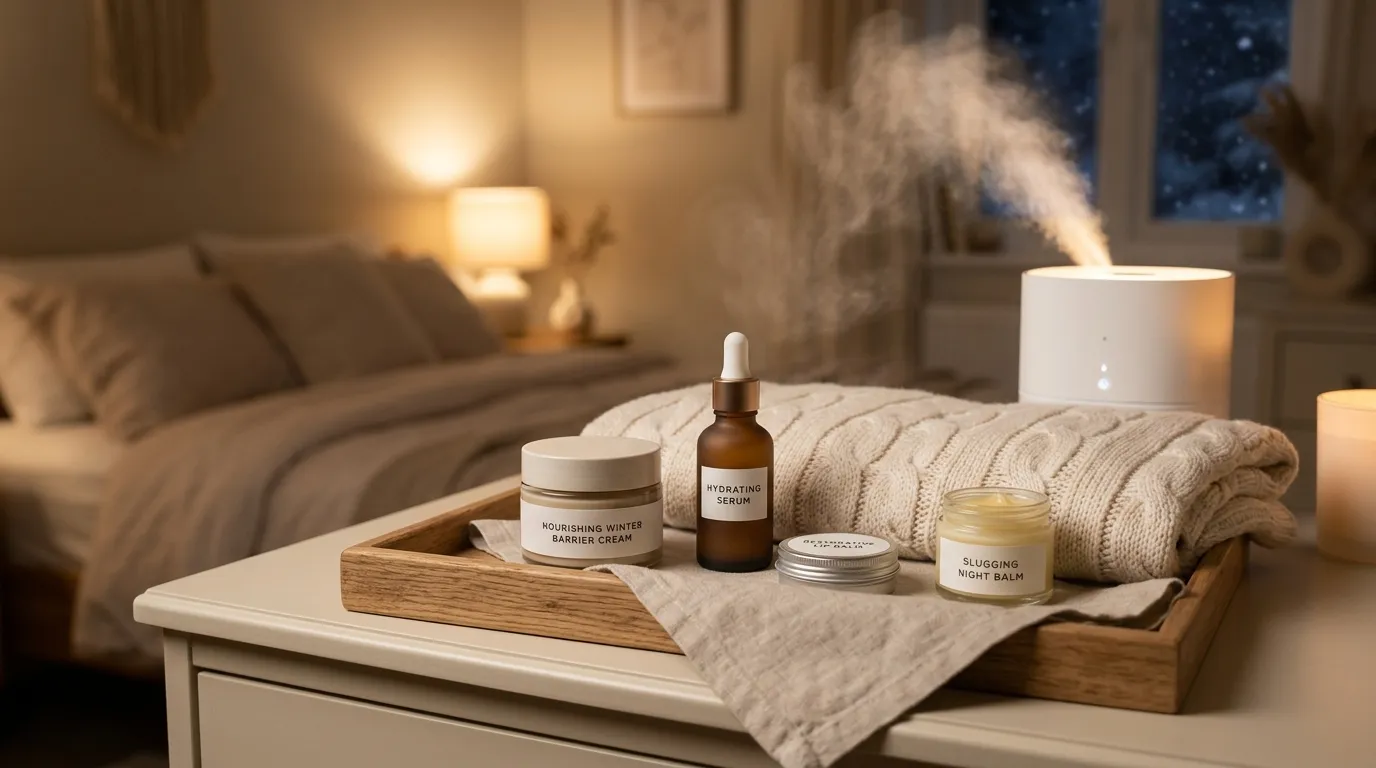
- Run a Humidifier: Indoor heating systems create extremely dry air. Placing a humidifier in your bedroom while you sleep adds moisture back into the environment, preventing your skin from dehydrating overnight. Aim for a humidity level between 40% and 60%.
- Take Lukewarm Showers: Long, hot showers feel great, but they strip the natural oils (sebum) from your skin and hair, leading to dryness and irritation. Keep showers under 10 minutes and use lukewarm water.
- Don’t Forget Lips and Hands: These areas have fewer oil glands and are often the first to show signs of winter damage. Apply a thick, occlusive lip balm constantly and wear gloves when outdoors.
- Consider “Slugging” (For Extremely Dry Skin): On nights when your skin feels exceptionally parched, apply a very thin layer of an occlusive product like Vaseline or Aquaphor as the absolute last step of your PM routine. This creates a super-seal that prevents nearly all transepidermal water loss while you sleep.
Frequently Asked Questions about the skincare routine winter
I get these questions all the time from clients adjusting their habits. Here are clear, direct answers to the most common concerns regarding a winter skincare routine.
How often should I exfoliate in the winter?
You should reduce your exfoliation frequency significantly. For most skin types, once a week is sufficient. Over-exfoliating a dry, compromised winter barrier will only lead to more irritation. Opt for a gentle chemical exfoliant with Lactic Acid over a harsh physical scrub, as it’s also a humectant.
Do I need a different skincare routine for winter if I have oily skin?
Yes, but the principles of hydration and protection remain the same. Even oily skin can become dehydrated in winter, which can trigger it to produce even more oil. Continue to use a gentle cleanser, but you can swap the heavy cream for a non-comedogenic gel-cream moisturizer. Hydrating serums are still essential for you.
Is a Vitamin C serum okay to use in the winter?
Absolutely. In fact, it’s highly recommended. Vitamin C is a powerful antioxidant that helps protect your skin from environmental damage (like pollution and UV rays) and works to brighten a dull winter complexion. Apply it in your morning routine after toner and before moisturizer/sunscreen.
Can I use face oils in my winter routine?
Yes, they can be a fantastic addition, especially at night. Apply 2-3 drops of a non-comedogenic face oil as the very last step (or mixed into your moisturizer). Oils are emollients and occlusives, meaning they soften the skin and provide an extra layer of protection to seal in moisture.